The Ultimate Guide to Finding Your Perfect Pair of Trekking Shoes
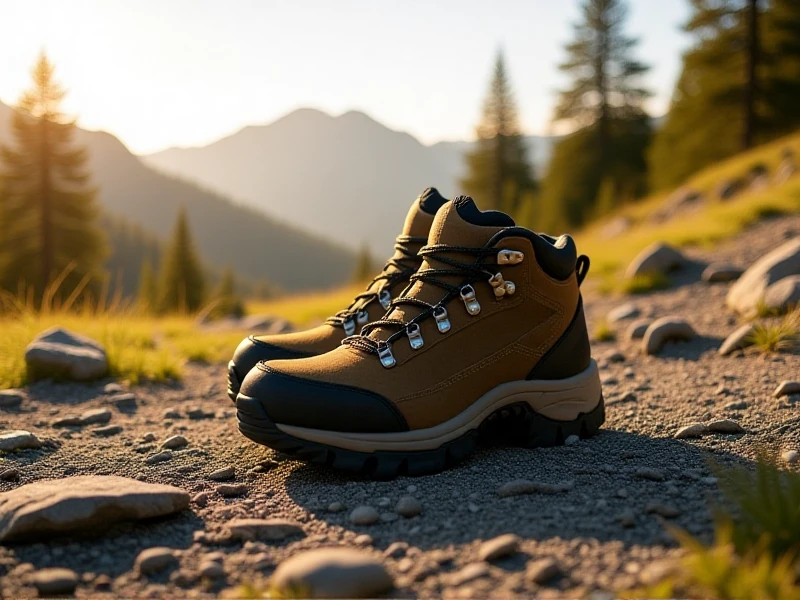
Choosing the right trekking shoes is critical for comfort, safety, and enjoyment on the trail. Whether you're tackling gentle paths or rugged backcountry, your footwear makes all the difference. Let's explore the key features to consider when selecting your next pair.
Fit: The Non-Negotiable Priority Above all, trekking shoes must fit impeccably. Ill-fitting footwear guarantees blisters, hot spots, and misery. Your feet naturally swell during long hikes, so ensure you have about a thumb’s width of space beyond your longest toe. Snug but not tight heel hold prevents slippage and instability. Consider your sock thickness when trying shoes on. Remember that no amount of "breaking-in" will fix fundamentally poor fit.
Support & Stability: Your Trail Foundation Robust support minimizes fatigue and protects against twists and sprains. Look for firm heel counters, which cradle the heel securely, and torsional rigidity to prevent the shoe from twisting on uneven terrain. Ankle height preference (low-cut trail shoe vs. mid-height boot) depends on weight carried, ankle strength, and route difficulty. Heavier packs or unstable trails often benefit from the extra support of a mid-height cut.
Traction: Grip That Holds A shoe's outsole is your lifeline. Quality trekking shoes feature deep, multi-directional, aggressive lugs made of sticky rubber compounds like Vibram®. This design provides exceptional grip on mud, loose rocks, wet roots, and slippery surfaces. Look for lugs designed for self-cleaning to prevent mud buildup.
Protection & Weather Resistance Rock plates in the midsole shield your feet from sharp stones and uneven ground underfoot. Toe bumpers guard against impacts. For waterproofing, a membrane like Gore-Tex® or proprietary brands provides excellent protection against rain, puddles, and mud. Understand that while waterproof, these membranes can be less breathable in hot conditions. Conversely, non-waterproof, highly breathable shoes are fantastic for dry trails but risk wet feet in damp environments or morning dew.
Breathability & Comfort Materials Mesh panels improve airflow, crucial for preventing sweaty feet on warm hikes. Breathable linings, padded collars, and cushioned tongues enhance overall comfort. Leather offers durability and natural water resistance but can be heavier. Synthetic blends often provide a lighter weight, quicker-drying alternative while sacrificing some long-term ruggedness.
The "best" trekking shoes simply don't exist – the right pair is unique to your feet, the terrain, and the climate. Invest time trying on multiple brands and models at an outdoor retailer. Walk downhill, test sideways edges, and trust your feel. Quality trekking shoes are an investment in your hiking well-being, turning challenging miles into rewarding adventures by keeping your feet happy, stable, and protected. Don't compromise; embrace the trails with the right foundation!
Pro Tip: Break new trekking shoes in gradually on shorter walks before tackling epic hikes.